
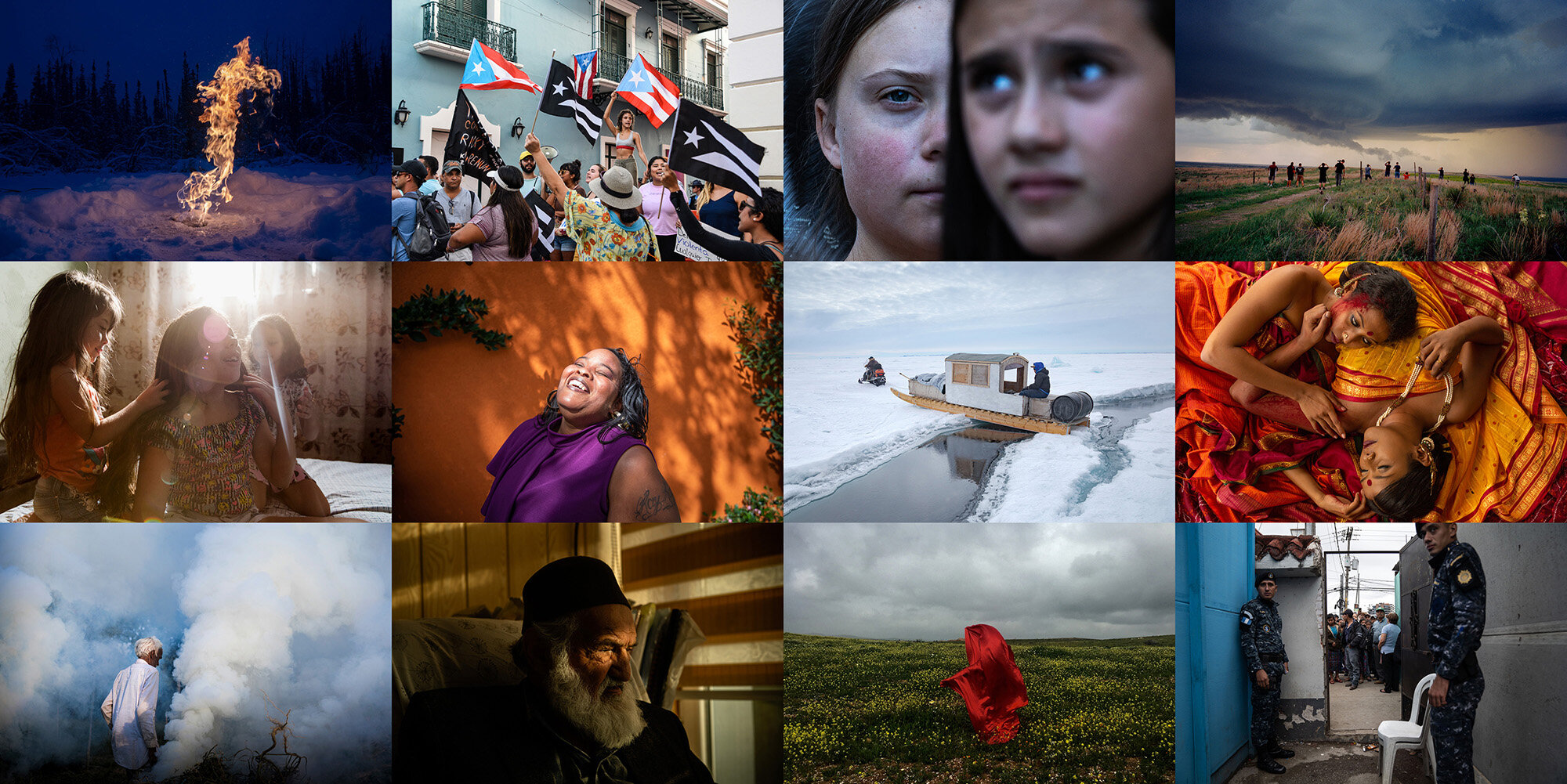
Once again, we’ve curated our annual Year in Pictures from 100 members of Women Photograph. Taken either on assignment or by the photographer’s personal drive to document, these photographs represent a vast range of emotions and critical issues from the end of the decade. Included are images that delight, surprise and horrify. With sensitivity and often a tender gaze, they illustrate this changing world. These photographers, from around the globe, honor the human experience through the simple act of seeing.
WOMEN TALK: Laurence Philomène

Huldufolk, Self Portrait in Lava Field, Iceland, 2019
Women Talk is a monthly conversation between a member of Women Photograph and Kerry Manders. This month meet Laurence Philomène — a Canadian photographer based in Montreal. Laurence is also a member of the 2020 Women Photograph Mentorship class.
Catching Up with the Women Photograph 2018 Grantees
Women Photograph awarded 11 photographers project grants totaling $60,000 in 2018, thanks to partnerships with Nikon, the Women’s Equality Center, and Getty Images. Take a look at some of what they've produced so far — and make sure to check out the 2019 Women Photograph grantees whose projects are now underway.
Jess T. Dugan
USA | www.jessdugan.com | @jesstdugan | Women Photograph + Nikon Grant


Davion, 2018

Zach and Oskar, 2019
Every Breath We Drew (2011-present) explores the power of identity, desire, and connection through portraits of the artist and others. Working within the framework of queer experience, these portraits examine the intersection between private, individual identity and the search for connection with others. Rather than attempting to describe a specific identity or group – the gender identity and sexual orientation of the individuals varies greatly – Every Breath We Drew asks larger questions about how identity is formed, desire is expressed, and intimate connection is sought.
Jess continues to work on Every Breath We Drew, and has been recognized in the past year with an ICP Infinity Award and as a finalist for the Arnold Newman Prize. You can catch some of Jess’ upcoming exhibitions, talks, and workshops here.

University of Tulsa, 2018
Ana Maria Arevalo Gosen
Venezuela | www.amagosphoto.com | @anitasinfiltro | Women Photograph + Nikon Grant

A woman inside a “closed” prison in Maracaibo - the border city between Venezuela and Colombia - helps arrange the net to play volleyball.
The current economic misery in Venezuela, mixed with violence and crime deeply rooted in society, is accentuated inside so-called preventive detention centers. Thousands of women waiting for trial are separated from their families and children for potentially many years. This work is about them and how the consequences of the malfunctioning justice system in Venezuela affects and traumatizes these women and their families even after their release.
Ana’s work was published in The New York Times — In Venezuela, Women in Prison Awaiting Trial Endure Crowded Conditions — and El Pais, and recognized with a POY LATAM award. You can read more about her and the project, Días Eternos, in this interview.

Two women hold hands in support of each other. Creating new friends and alliances is a common behavior inside these facilities.

The children of detained men and women wait to enter the center of detention during visitation hours.
Etinosa Yvonne Osayimwen
Nigeria | www.etinosayvonne.me | @etinosa.yvonne | Women Photograph + Nikon Grant

It’s All in My Head is an ongoing project that explores the coping mechanisms of survivors of terrorism and violent conflict by using layered portraits of the survivors and the things that they do to help them move forward. In the last two decades, Nigeria has witnessed an increase in terrorism and conflict. Survivors have witnessed violence enacted against themselves, their loved ones, and in some cases all that they own.
Etinosa has interviewed more than 50 people throughout Nigeria over the past year for It’s All In My Head, and the work has been published in The Guardian and It’s Nice That. She’s since been awarded additional grants by Lagos Photo Festival and ART X Lagos, and the work was exhibited this year at Photoville’s THE FENCE.

Deborah Danjuma, 40, Kaduna, Nigeria

Abdul-Razak Salisu, 27, Kaduna, Nigeria
Tasneem Alsultan
Saudi Arabia | www.tasneemalsultan.com | @tasneemalsultan | Women Photograph + Nikon Grant

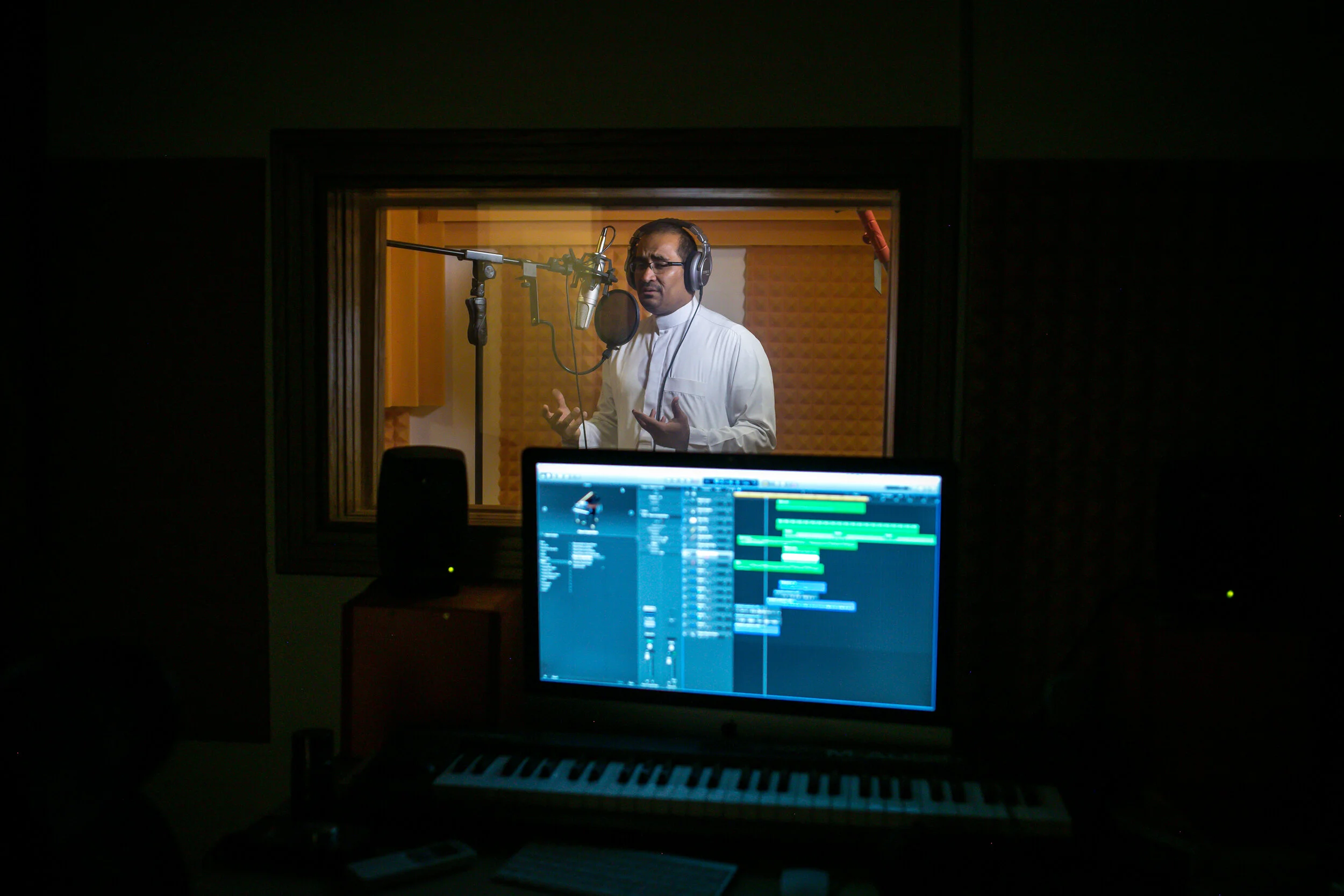
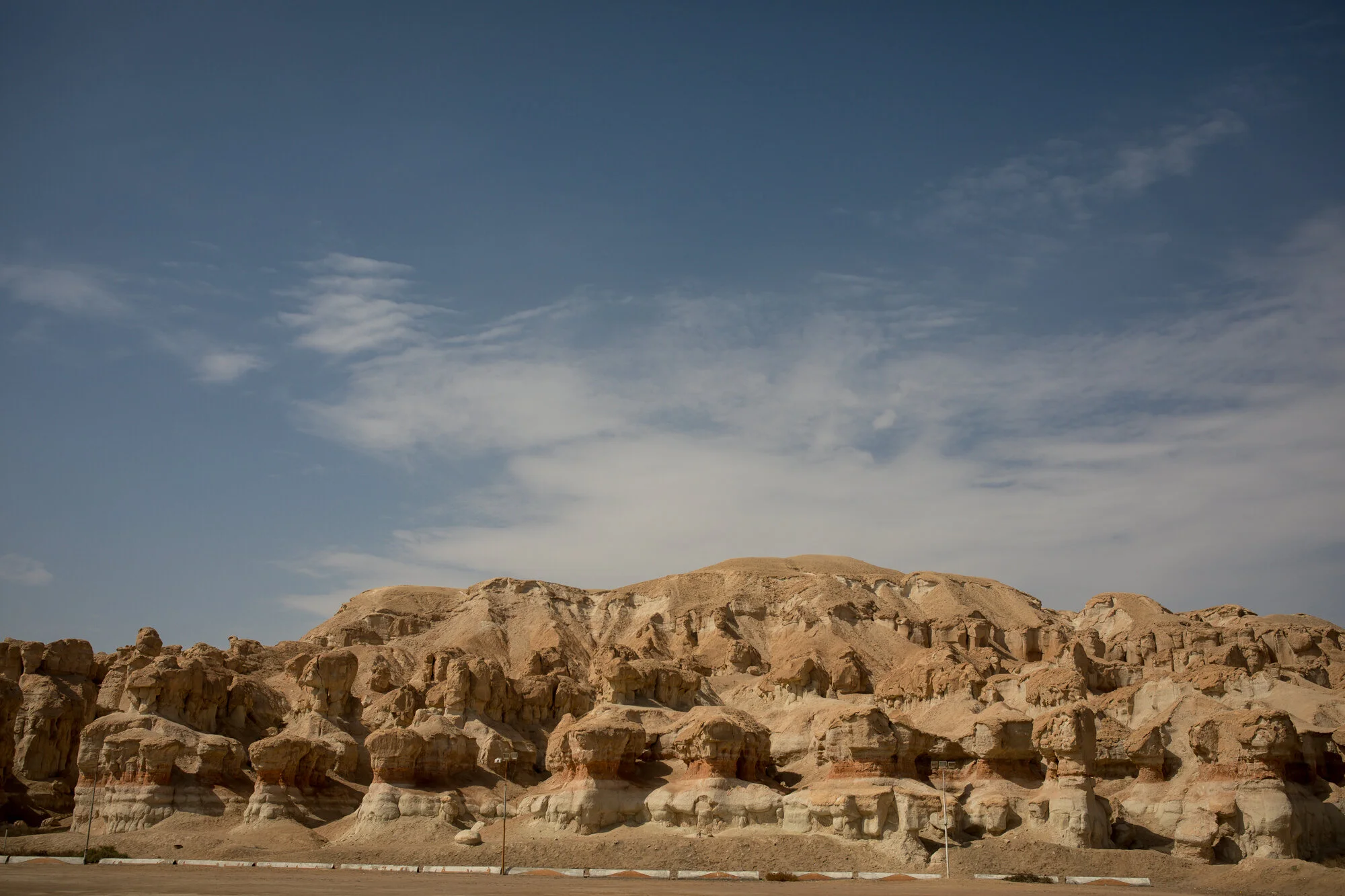
Saudi Arabia has long been known as one of the world’s most conservative countries, a place where religious police have been known to routinely enforce strict social codes and public political debate forums are censored. This project aims explores the underlying social and economic complexities of Saudi Arabia's Shiaa minority, a group that remains largely invisible to the world.
Anna Boyiazis
USA | www.annaboyiazis.com | @annaboyiazis | Women Photograph + Nikon Grant

Swim instructor, octopus hunter, elder Bisichana (far right) walks on shore with her octopus hunter swim students after their lesson. Second from left is the wife of the village elder.
Finding Freedom in the Water documents women and girls learning to swim for the first time in Zanzibar. Daily life in the archipelago centers around the sea, yet the majority of girls who inhabit the islands never acquire even the most fundamental swimming skills. Conservative Islamic culture and absence of modest swimwear have compelled community leaders to discourage girls from swimming — until now. Full-length swimsuits and lessons are providing women and girls the opportunity to finally learn aquatic safety and experience being in the ocean without compromising their cultural and religious beliefs.
Finding Freedom in the Water was also awarded a 2019 Getty Images Reportage Grant this year.

Single mother sponge farmers practice breathing wearing mask and snorkels during their swim lesson.

A student rests in shallow water after her swim lesson.
Nadia Shira Cohen
Italy | www.nadiashiracohen.com | @nadiashiracohen | Women Photograph + Getty Grant

Nolvia Nohemy, 27, tried to kill herself when she was 22, after having miscarried at 5 months. Nolvia had lived in Belize with her ex-boyfriend, also from El Salvador and endured 2 years of extreme abuse. Doctors told her that the child she was carrying had a deformed head and would not live. Nolvia believes this was due to the abuse she suffered at the hands of her ex-boyfriend and, feeling guilty for having let that happen, she decided to take her own life. She first thought about swallowing all the pills in the house and then settled on slitting her wrists. She was brought to the hospital by her family in time. After having suffered another miscarriage, Nolvia is now 32 weeks pregnant with her current partner who she says supports her.


Yo No Di a Luz looks at the complete prohibition on abortion in El Salvador, and the many ways in which the criminal abortion ban affects the country's women. The project specifically focuses on the consequences of enforcing such restrictive laws, in particular the suicides in pregnant teens, women, and girls forced to birth children of rape.
Yo No Di a Luz was exhibited at La Casa de las Mujeres in Suchitoto, and one of the women Nadia concentrated on who had been imprisoned for 11 years and was just freed in June came to speak. Nadia is now working on a book, and plans to use the proceeds to support the wrongly imprisoned women.

La Casa de las Mujeres

La Casa de las Mujeres
Angela Ponce
Peru | www.angela-ponce.com | @barrios.altos | Women Photograph + Women’s Equality Center Grant


Latin America and the Caribbean has the second highest rate of teenage pregnancy in the world. An average of 38% of women in the region become pregnant before reaching the age of 20 and almost 20% of births are from teenage mothers. This project aims to call for reflection on adolescent pregnancy in Argentina and show how gendered inequality and the lack of opportunity impacts Argentine women.
Historias de Embarazos Adolescentes en América Latina, Correo
Alice Proujansky
USA | www.aliceproujansky.com | @aliceproujansky | Women Photograph + Women’s Equality Center Grant

Em'Mae Alexander's labors as her midwife, friend and partner look on. Midwife Rebecca Polston recommended the hospital transfer because she wanted to be able to monitor the fetal heart rate decelerations more closely.
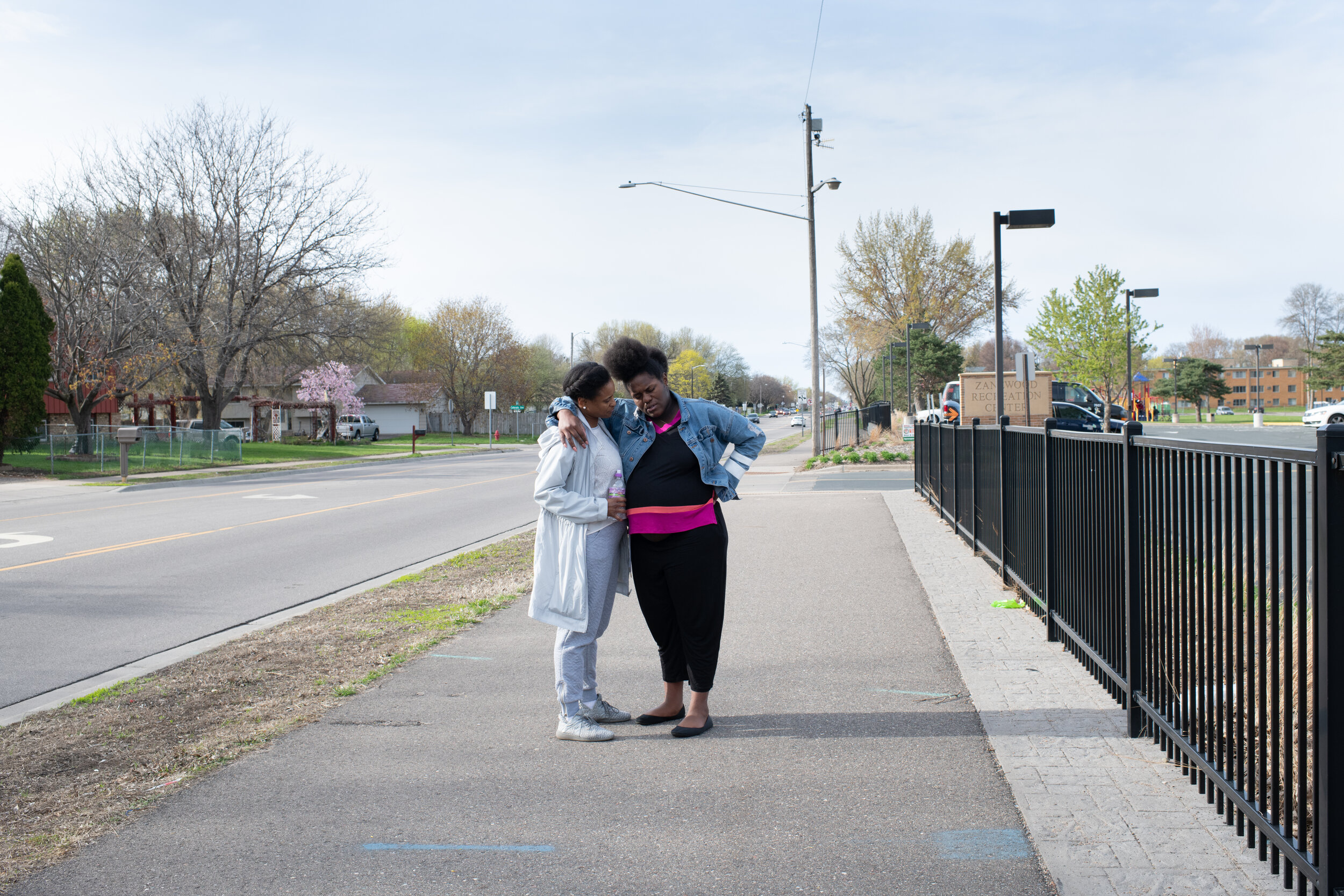
Em'Mae Alexander labors in a restaurant with the support of her mother, Tulani Alexander. Midwife Rebecca Polston suggested she go for a walk so her labor could progress more before admission to the birth center.
The U.S. is the only industrialized nation with a rising rate of maternal mortality, and that rate is two to four times worse for women of color than their white counterparts. But there is a movement from within to provide evidence-based, respectful, culturally-focused midwifery care. And the evidence shows that it’s working. This work examines the ways that reproductive healthcare embodies access, choice, history, misogyny and structural racism, revealing that negative birth outcomes are not just difficult personal experiences, but expressions of a complex interplay of medicine and culture manifested in women’s bodies.
The Black Midwives Changing Care for Women of Color, The Guardian
Analia Cid
Argentina | www.analiacid.com | @analia.cid | Women Photograph + Women’s Equality Center Grant

A group of young women hold hands during a demonstration to raise consciousness about the number of femicides that happened in Argentina in only one month.

View of the Las Flores slum from Mariana's rooftop in Florida Oeste, Buenos Aires.

Nahir, one of Mariana's daughters, in the rooftop of her house inside Las Flores slum, Florida Oeste,
This project follows the lives of a family of women from Buenos Aires who have each experienced a different kind of obstetric violence across three generations. Their story is a way to understand how reproductive rights are being violated every day in Argentina, which rejected legalizing abortion in 2018 and routinely neglects the country’s existing progressive legislation.
Sin Aborto Legal No Hay Parto Respetado, Revista Anfibia
Bethany Mollenkof
USA | www.bethanymollenkof.com | @fancybethany | Women Photograph + Women’s Equality Center Grant

Brianna Moore and her kids at home in Mobile, Alabama.

This project documents the rebirth of Alabama's midwifery movement through black home-birth advocates, and reflects on the history of black “granny midwives.” The work aims to refocus the narrative of maternal health care in rural communities by exploring the experiences and histories of black women and the disparities in treatment by race and class.
What It’s Like to Be Black and Pregnant in Alabama, Zora
Francesca Volpi
Italy | www.francescavolpi.com | @francesca_volpi_photo | Women Photograph + Women’s Equality Center Grant

Yanet (invented name to protect her identity) is 25, and had an abortion one month ago at the 3rd month of pregnancy. She says “I felt mistreated by my boyfriend, he beats me sometimes and I decided it wasn’t the best environment for a child to grow up, plus I don’t work and he sells drugs and we don’t make enough money to provide for ourselves, let alone a child. My family doesn’t support me because I live with him and they don’t accept him and what he does for living. I asked to a relative about the CITOTEC pill, I swallowed two pills and I inserted other two in my lowest parts. It was painful but it worked, I had a lot of bleeding but I didn’t go to the hospital. I buried the fetus in my backyard”.


Honduran abortion restrictions mean that women constantly use homemade and unsafe methods to abort: from pills bought on the internet to herbal infusions and the use of blunt objects. Often, abandoned fetuses or new born babies are found in city-dumps or on the floor on the main square in Tegucigalpa. The unjust criminalization of Honduran women’s reproductive decisions limits their civil rights and undermines Honduran democracy itself.
WOMEN TALK: Luján Agusti

Portrait of a dead hummingbird at the U.S. Fish & Wildlife Service Forensics Laboratory; the only full-service Lab in the world dedicated to crimes against wildlife.
Women Talk is a monthly conversation between a member of Women Photograph and Kerry Manders.
This month is Luján Agusti — an Argentine photographer based in Ushuaia.
WOMEN TALK: Jane Hahn
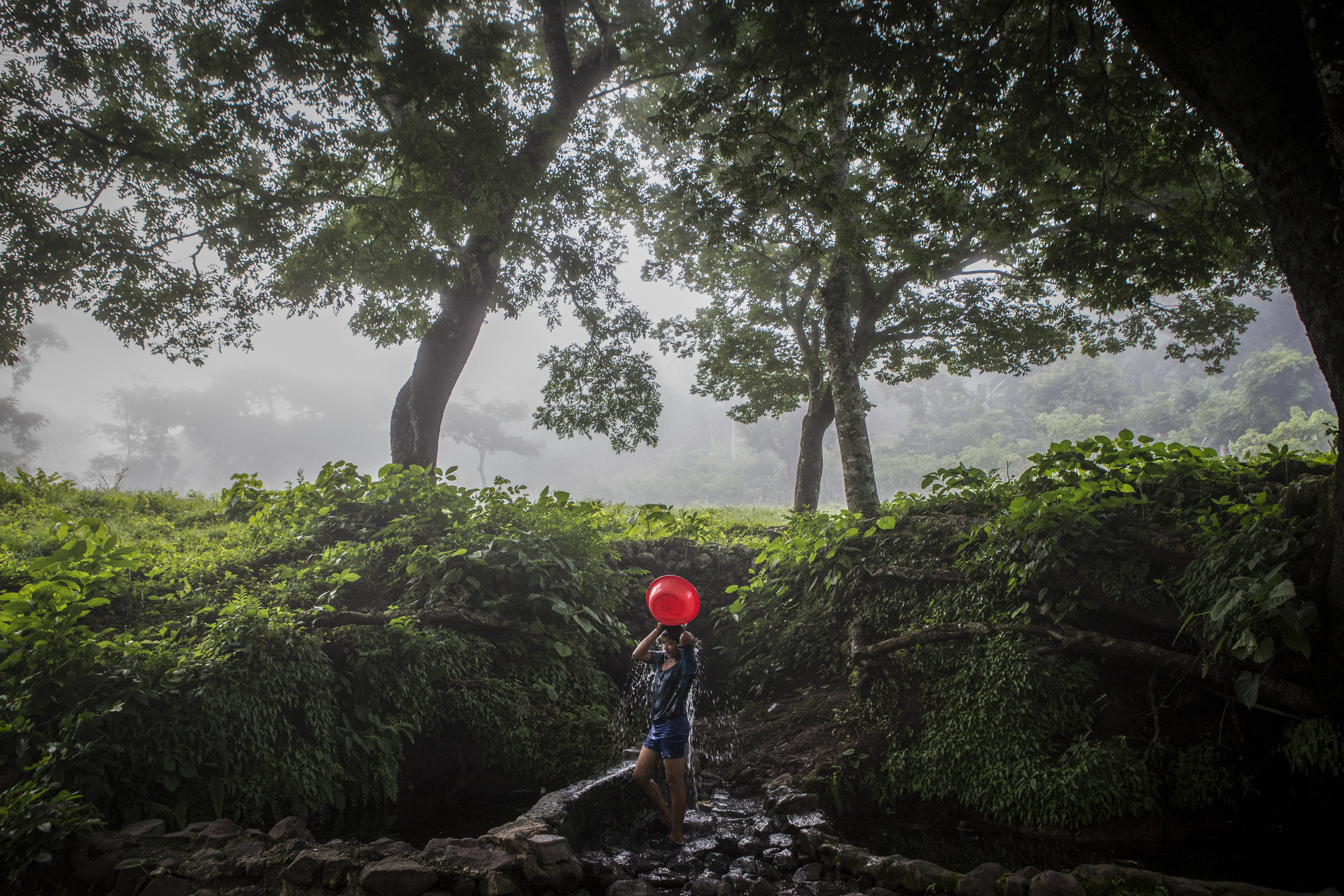
A girl washes her hair at a community well at dawn in a small community in Cabañas, El Salvador. Most people in this community of 112 families, have no access to running water and must come to the local well as early as 2am during the dry season for water. Even though politicians make promises during election season, the community has yet to see any change in their situation.
Women Talk is a monthly conversation between a member of Women Photograph and Kerry Manders.
This month is Jane Hahn — a Korean-American photographer based in Senegal.
WOMEN TALK: JEB

Mychelle and Lee with Zach, the dog, 1972, Cornwall-on-Hudson, NY
Women Talk is a monthly conversation between a member of Women Photograph and Kerry Manders. This month is JEB (Joan E. Biren) — an American photographer based near Washington, DC, USA.
WOMEN TALK: Parisa Azadi

From You Can’t Go Home Again
Women Talk is a monthly conversation between a member of Women Photograph and Kerry Manders. This month is Parisa Azadi — an Iranian-Canadian photographer based between Iran and Dubai. Parisa is also a member of the 2018-2019 Women Photograph Mentorship class.
WOMEN TALK: Alana Holmberg

Portrait of Çiğdem and Evin, 2016, from the series Resist Laughter.
Women Talk is a monthly conversation between a member of Women Photograph and Kerry Manders. This month is Alana Holmberg — an Australian photographer based in Melbourne.
WOMEN TALK: Annie Tritt

Justin*, 8, transgender boy sits with his brother, California, 2016. From Transcending Self.
“Since Justin has become Justin he lets me hold him and cuddle with him. Before the transition, Justin would barely let me touch him. I think that Justin is happier as a boy.”
Women Talk is a monthly conversation between a member of Women Photograph and Kerry Manders. This month is Annie Tritt — an American photographer based in New York.
WOMEN TALK: Yagazie Emezi

The Consumption of the Black Model
Women Talk is a monthly conversation between a member of Women Photograph and Kerry Manders. This month is Yagazie Emezi — a Nigerian photographer based in Lagos.
WOMEN TALK: Michelle Siu

After the Flood, Lake St. Martin First Nations, 2017
Women Talk is a monthly conversation between a member of Women Photograph and Kerry Manders. This month is Michelle Siu — a Canadian photographer based in the United Kingdom.
WOMEN TALK: Citlali Fabián

Women Talk is a monthly conversation between a member of Women Photograph and Kerry Manders. This month is Citlali Fabián — a Yalatec photographer based in Oaxaca, Mexico.
WOMEN TALK: Chloë Ellingson

Wind of the North, 2018
Women Talk is a monthly conversation between a member of Women Photograph and Kerry Manders. This month is Chloë Ellingson — a Canadian photographer based in Toronto.
Women Photograph: Photobooks of 2018

Just in time for holiday shopping, check out some of our favorite photobooks published by women and non-binary photographers this year!
Women Photograph: 2018 Year in Pictures
The Women Photograph 2018 Year in Pictures features 100 of our favorite images shot by our members this past year, encompassing editorial assignment work and excerpts from personal projects, taking us from Nigeria to Yemen to the Philippines to Brazil. Make sure to check out each photographer’s work by clicking on the links beneath each photo. Here’s to more inclusivity in 2019!
WOMEN TALK: Joanne Coates

Women Talk is a monthly conversation between a member of Women Photograph and Kerry Manders. This week is Joanne Coates — a British photographer based in the North of England.
WOMEN TALK: Karen Miranda Rivadeneira

Women Talk is a monthly conversation between a member of Women Photograph and Kerry Manders. This week is Karen Miranda Rivadeneira — an Ecuadorian-American photographer based in New Mexico.
WOMEN TALK: Kisha Bari

From the protests surrounding the Brett Kavanaugh confirmation hearings, 2018.
Women Talk is a monthly conversation between a member of Women Photograph and Kerry Manders. This week is Kisha Bari — a Fijian-Italian photographer from Australia based in New York.
WOMEN TALK: Tali Kimelman

From the series Shinrin-yoku.
Women Talk is a monthly conversation between a member of Women Photograph and Kerry Manders. This week is Tali Kimelman — a Uruguayan photographer based in Montevideo.
WOMEN TALK: Marta Iwanek

From the series Scattered.
Women Talk is a monthly conversation between a member of Women Photograph and Kerry Manders. This week is Marta Iwanek — a Ukrainian-Canadian photographer based between Toronto and Ukraine.